
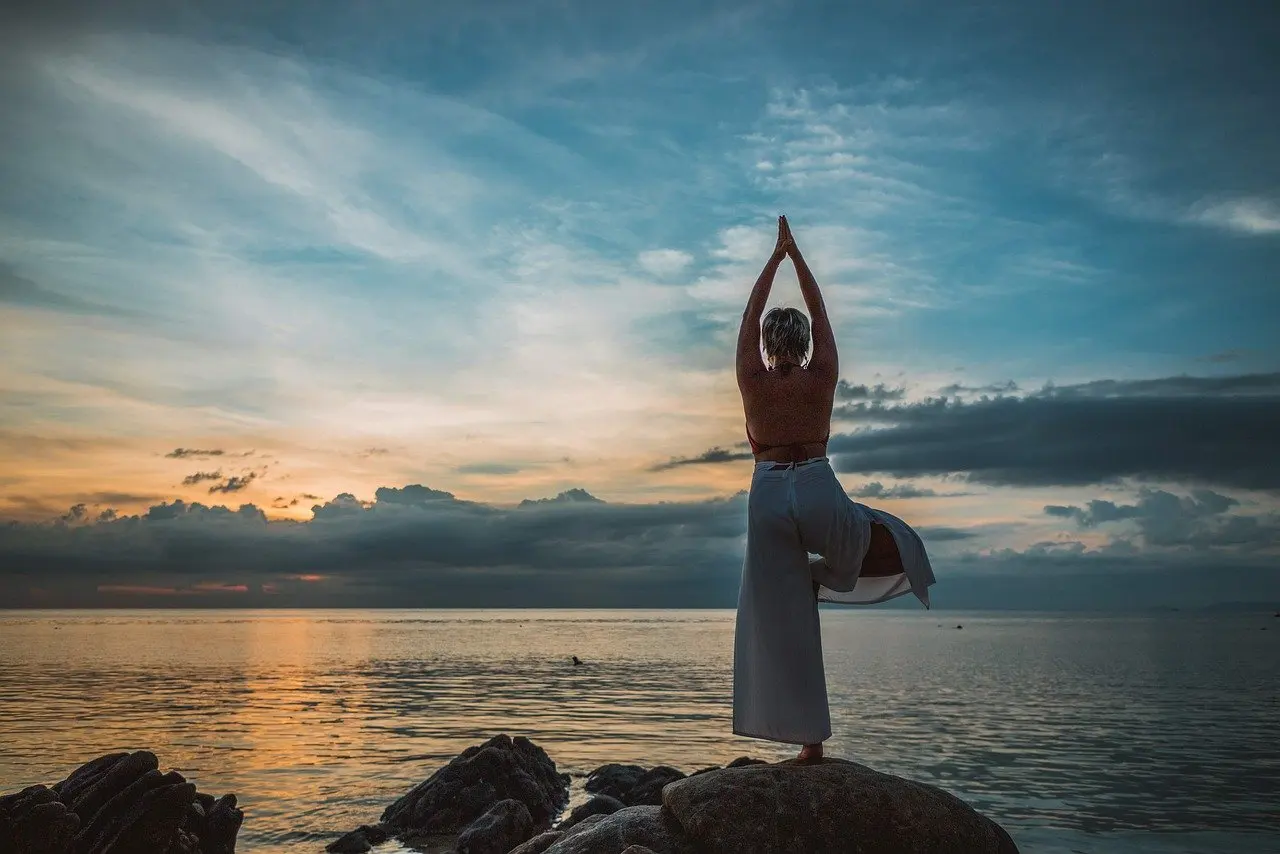
After a heavy pressing session, shoulders often sit forward and the chest feels tight. Yoga for posture correction works best as a pair: open the chest, then strengthen the upper back. A few sessions will not undo long-term slouching, but regular practice moves alignment gradually.
This shortlist narrows the wider topic of yoga after weight training to the rounded-shoulder pattern. Hips are a separate job, covered later in the standing-alignment section.
Rounded shoulders, tight muscles and what yoga can change
Posture is the position the spine and shoulders hold while standing, sitting and lifting. Peloton’s guide to yoga for posture describes the spine as having three natural curves: forward at the neck, backward through the upper back and forward again in the lower back. The upper back is the thoracic spine. When it rounds and the head drifts forward, the neck and upper back curves are the ones that change most.
The same guide says the upper back muscles become particularly tight with poor posture. Stretching tight muscles can improve alignment and help prevent slouching, according to Yune Yoga. That is why the useful pattern is stretch first, then strengthen.
The movement that ties the plan together is scapular retraction: drawing the shoulder blades toward each other and down the back. Most of the options below rehearse it in a different position.
Chest-opening stretches for lifters
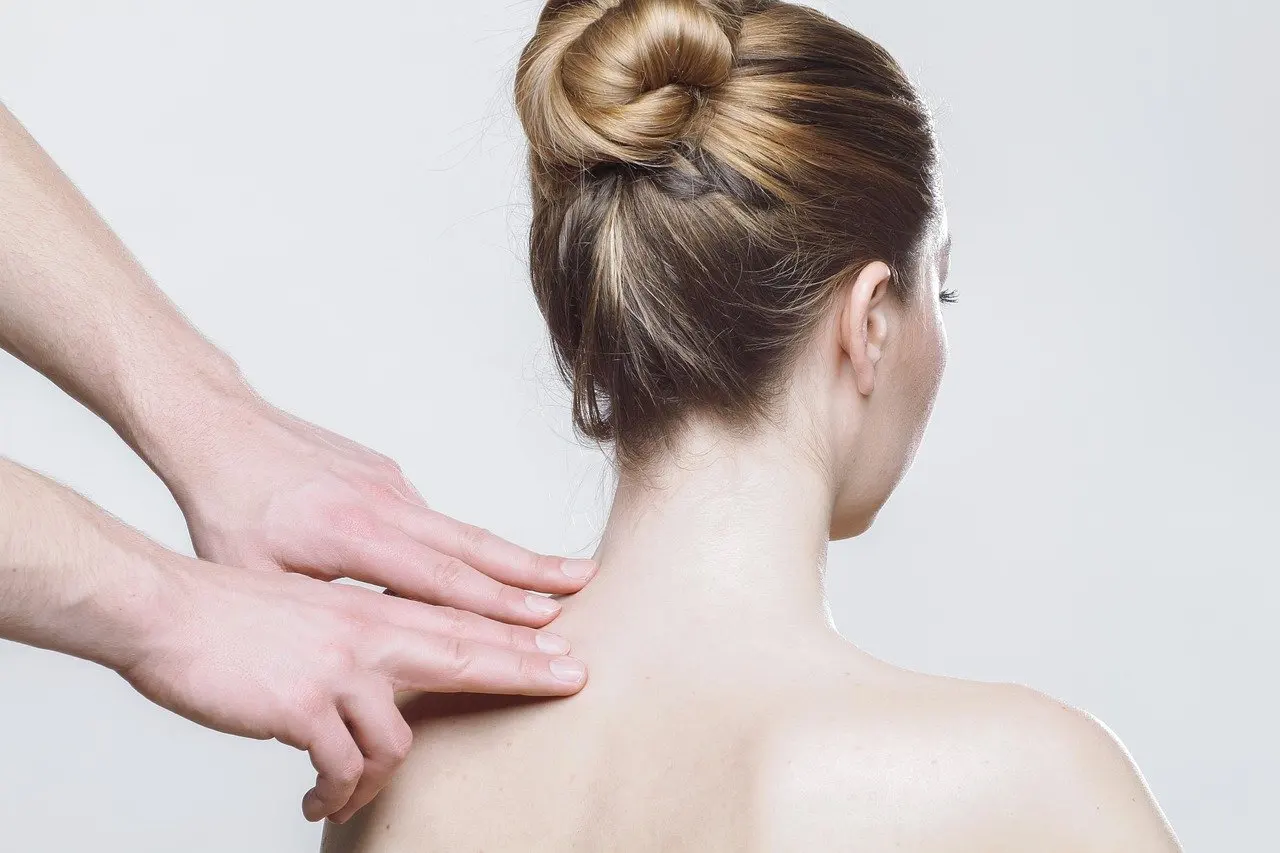
Chest-opening stretches suit lifters because they lengthen the front of the body after pressing work. The most practical yoga choice is a floor-based back extension that opens the chest and also asks the upper back to work.
Cobra pose
Cobra pose is the best single choice for lifters. Healthline lists the pectoralis muscles among those it stretches. It also says the pose can help counteract forward head posture and slumping shoulders.
Lift gently rather than as high as possible. Yune Yoga notes that overarching often happens when you push too hard to lift the chest. Healthline recommends lengthening the neck and lower back, which protects those vulnerable areas. Beginners or sore backs can use the Sphinx or low Cobra variation, and the Center for Yoga suggests holding it for three breaths in a quick posture sequence.
Boat pose for shoulder-blade position
Boat pose is a different kind of chest opener, because it asks for an upright chest while the core works. Peloton’s cue is to bring the shoulder blades toward one another and down the back, which expands the chest without leaning on the lower back. It suits lifters who find floor back extensions uncomfortable and prefer a seated option.
Upper back strengthening that holds the gains
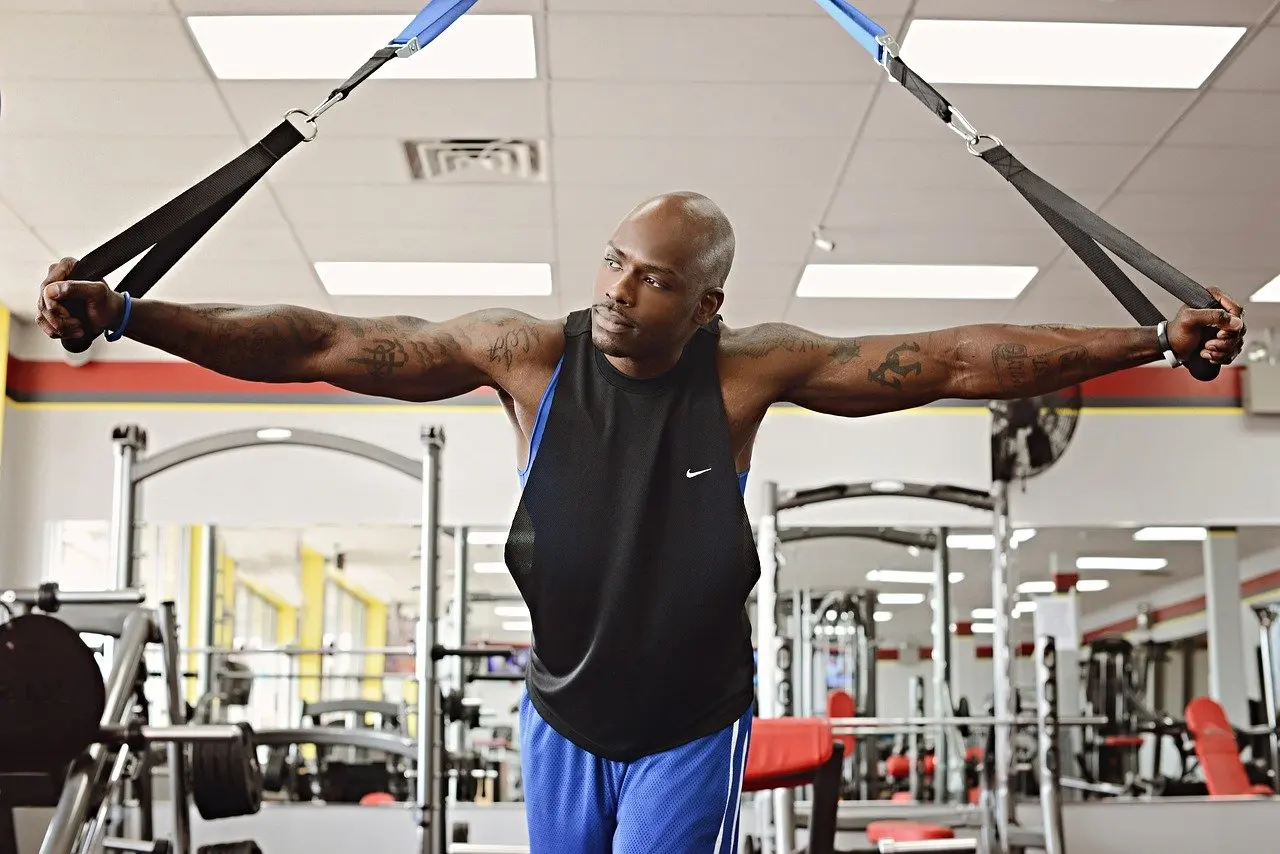
Stretching alone leaves the chest lengthened but the upper back unable to hold the shoulders back. Cobra gives a first taste of that work. Healthline reports that it engages the spinal extensors, particularly the erector spinae of the upper back, along with the rhomboids and middle trapezius. These are the muscles that pull the shoulder blades back and keep the thoracic spine extended.
Downward-facing dog
Downward-facing dog trains the same shoulder-blade control while bearing weight through the arms. Yune Yoga explains that rounded shoulders in this pose come from the shoulder blades not engaging. Its fix is to pull them down and back to create a straight line. Lifters used to pressing may find it easy to push through the hands and hard to control the blades, so watch the cue more than the depth.
Core support
Core strength matters because it keeps the trunk stable while the upper back works. Peloton says yoga can strengthen core muscles that support a neutral standing and sitting position. Yune Yoga says core strength plays a large role in maintaining posture during poses. The Center for Yoga, quoting Harvard Health, adds that yoga can strengthen the paraspinal and multifidus muscles along the spine.
Standing alignment with mountain pose
Mountain pose is the simplest check of everything above. It puts the three spinal curves, the shoulder blades and the head position into one still posture. Yoga Education’s posture routine holds it for 30–60 seconds. Use it after the stretching and strengthening work, when the chest is open and the shoulder blades are easiest to find.
Standing tall also depends on the hips, so lifters who sit a lot between sessions should pair this work with yoga for tight hip flexors.
Forward head posture
Forward head posture is best addressed from below the neck. Cobra, with a long neck and lengthened lower back, is the pose Healthline links to countering it. The shoulder-blade cues from Downward-facing dog and Boat pose then give the head a steadier base. Keep the chin level rather than lifting it, since the aim is a long back of the neck and not extra extension.

How often to practise and how long it takes
Yoga Education recommends practising its routine at least four times each week for the best results. Short sessions suit lifters because they can sit after training days or on rest days. The same source stresses that posture improves gradually through regular practice, so there is no fixed date by which alignment will change.
Peloton makes the same point from the other direction: a few yoga sessions will not magically undo the effects of long-term slouching, and daily habits matter as much as the mat. Riders who spend long periods in a forward position can use the same weekly rhythm alongside yoga for cyclists.
A simple order for a posture session
- Open the chest first. Start with Cobra or the low version, keeping the neck long and the lift modest.
- Add shoulder-blade work. Move to Downward-facing dog or Boat pose and use the down-and-back cue.
- Finish standing. Hold Mountain pose for 30–60 seconds and check that the head, shoulders and hips stack.
- Repeat often. Aim for at least four sessions each week and expect gradual change.
Frequently asked questions
Can yoga correct posture?
Yoga can support better posture by stretching tight muscles and strengthening the core and spinal muscles, but it works through regular practice rather than a single session.
Do trials show that Cobra pose fixes alignment?
Not directly. Healthline cites a 2017 study with an 8-week Hatha yoga program that included Cobra twice a week, but it studied mild to moderate depression. It is not a benchmark for posture change.
Does slouching affect breathing?
It may. Peloton cites a 2016 study in which participants who spent an hour hunched over their smartphones had reduced lung function.