
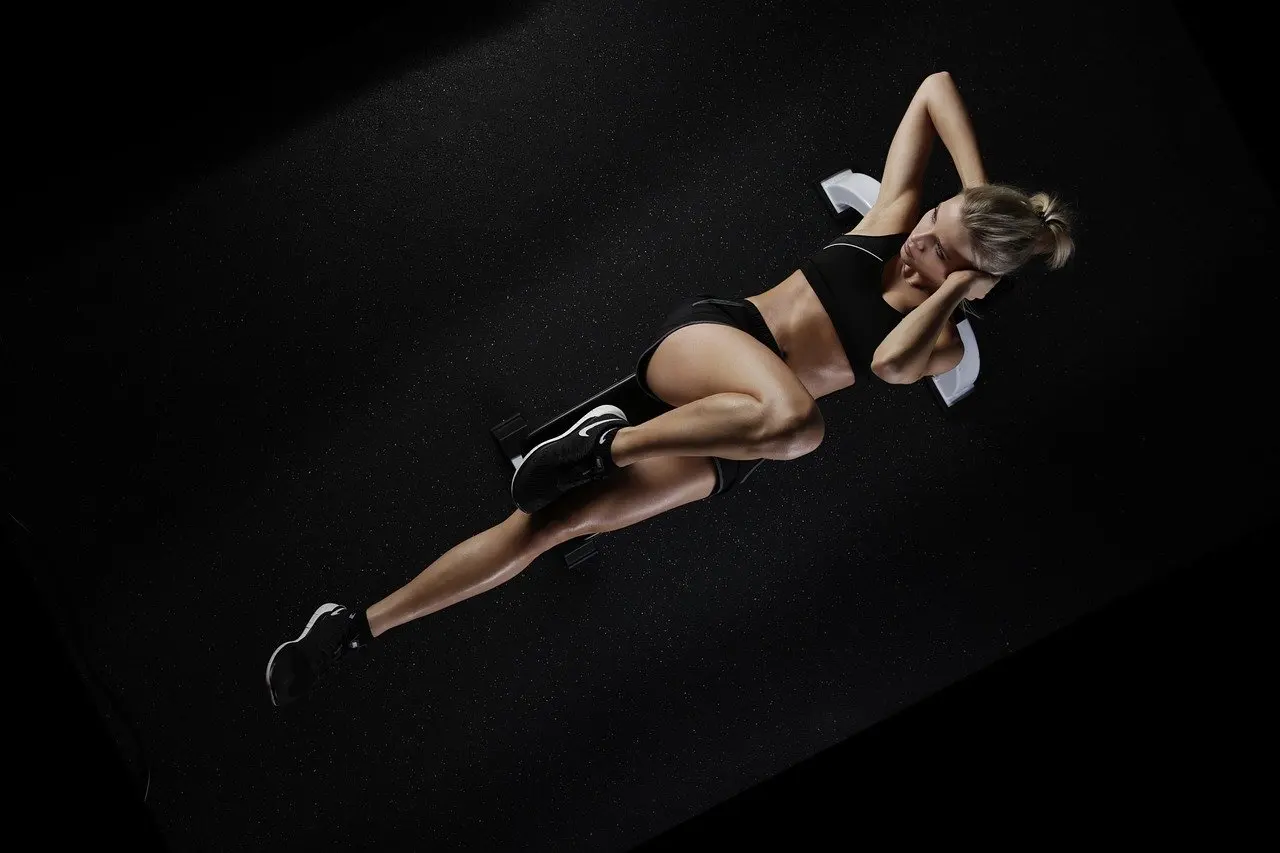
Booked a first session and unsure what to wear to pilates class? Wear fitted leggings or biker shorts with a sports bra or fitted top, and check whether the studio expects grip socks for reformer classes.
- Bottoms: leggings or biker shorts that stay fitted and secure without shifting.
- Top: a sports bra or fitted top, not a loose tee that can catch on equipment.
- Feet: grip socks where the studio asks for them; confirm before you arrive.
- Extra: a light layer you can remove once you warm up.
The reasoning behind each choice follows below. For a wider look at the best fabric for activewear, the activewear buying guide compares leggings, tops and layers. Outfits for general training are covered in what to wear to the gym.
Bottoms that do not slide or shift
The standard pilates foundation is leggings or biker shorts paired with a sports bra, according to an activewear brand’s pilates style guide. The same guide says pilates bottoms should feel fitted and secure from start to finish, without shifting too much as you move. That is the test to apply in the changing room: if you keep tugging the waistband or hem during a stretch, the pair is wrong for class.
Leggings fabric and blends
The Plume Studio, a pilates studio, recommends moisture-wicking fabrics such as nylon, bamboo or cotton blends. For mat pilates it advises lightweight, stretchy fabrics that allow freedom and ease. In practice, a stretchy blend that moves with you matters more than any specific label, and a thick or stiff fabric works against the ease the studio describes. Anyone buying pilates leggings specifically should check the fabric content on the tag against those blends.
Waistband and floor work
Mat sequences keep you low to the floor, rolling, planking and lifting your hips, so a waistband has to hold without digging in. A secure fit matters more than a particular rise. Choose the style that stays flat when you bend forward and again when you lie back.
Tops and sports bras: fitted or loose?
Fitted is the safer choice, though not skin-tight. Both sources give practical reasons, and the table later in this guide turns them into quick fixes.
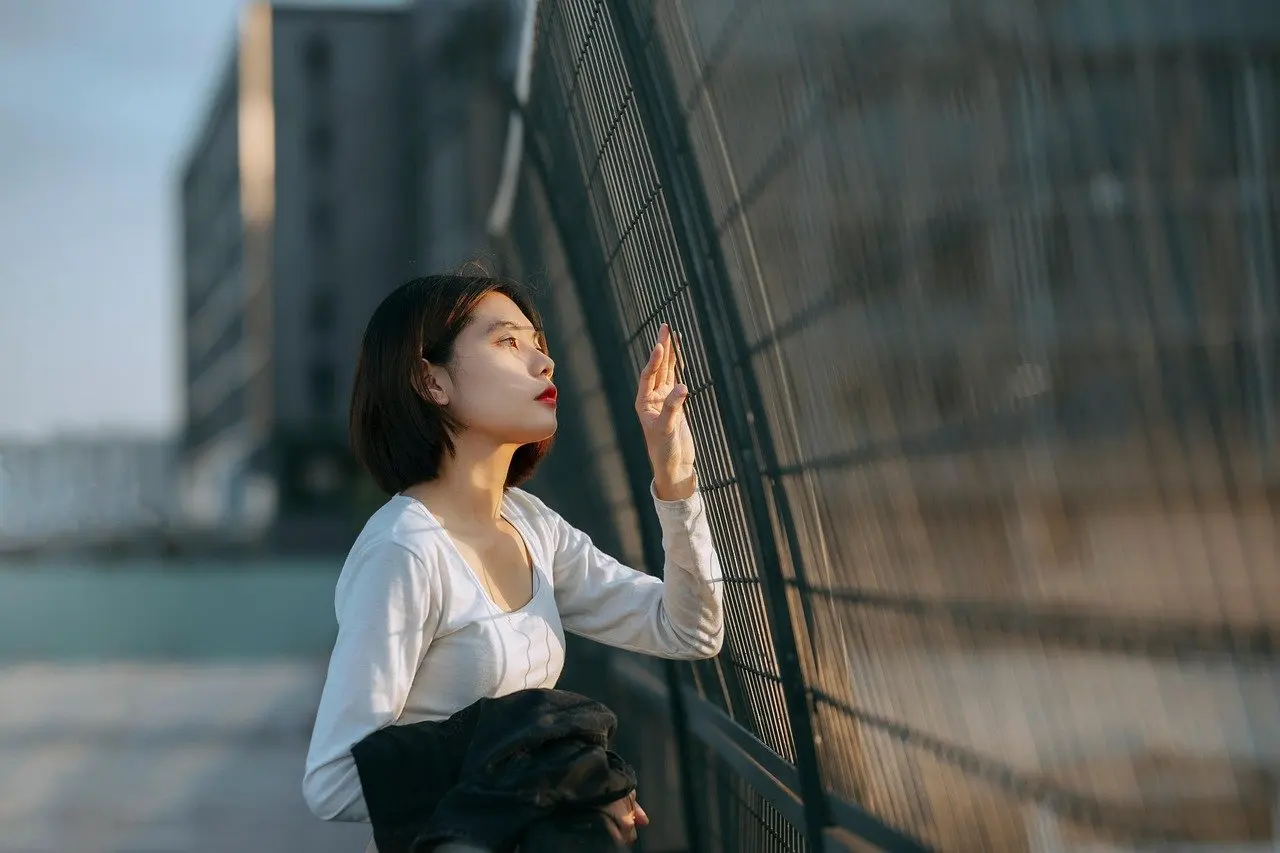
- Alignment is easier to see. The brand guide notes that fitted styles make it easier to check alignment, whether on your own or with an instructor. Plume adds that a close fit helps the instructor correct your form so each movement is performed properly.
- Loose fabric moves and snags. Loose or oversized clothing can shift during movement, and Plume warns that clothing that is too loose can interfere with exercises or catch on the reformer.
- Too tight is also a problem. Plume says pieces that are too tight can restrict circulation and flexibility, so “fitted” should still allow a full range of motion.
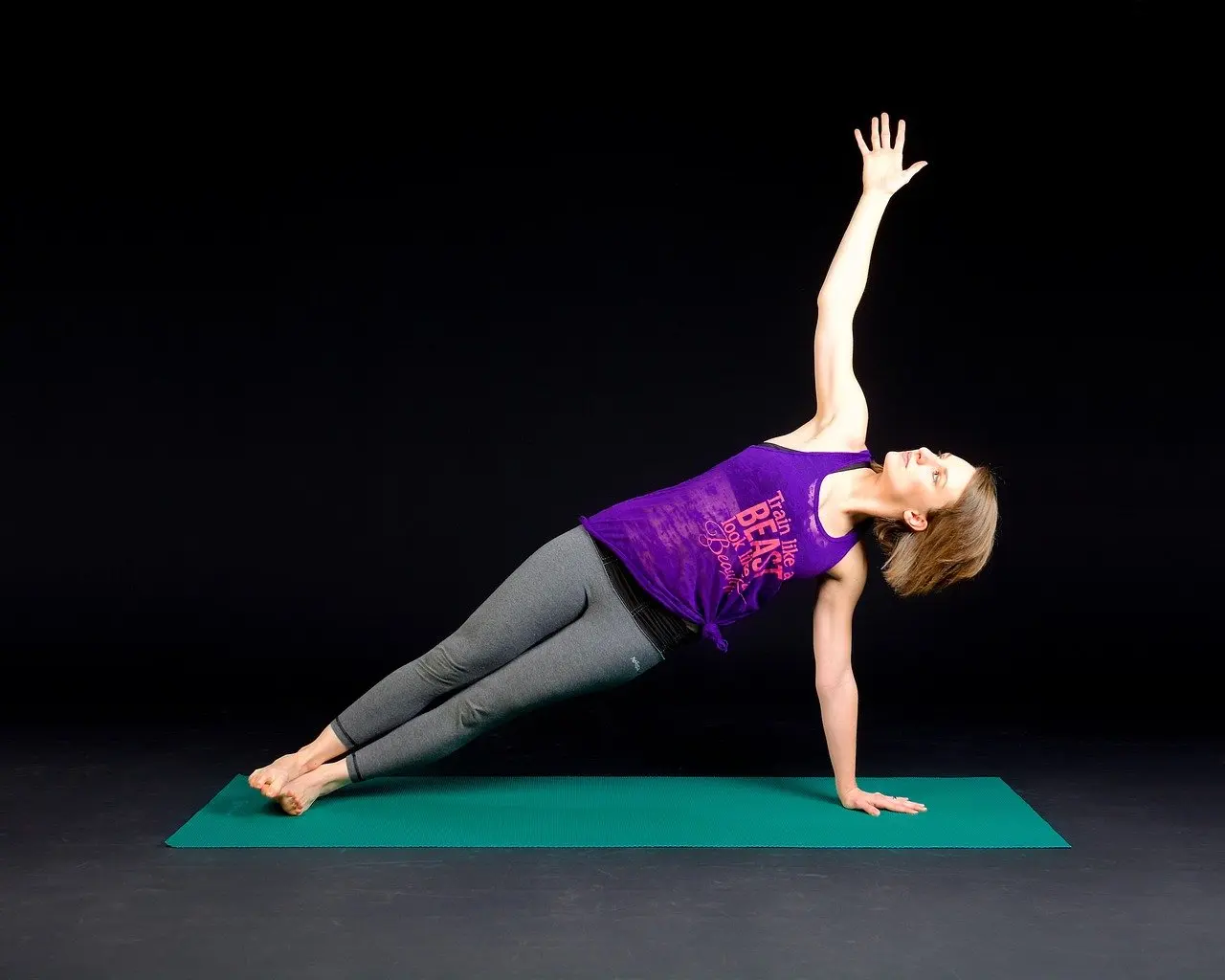
For the bra, the brand guide suggests solid coverage that feels supportive without being overly structured. Pilates does not typically demand the compression of higher-impact training, so a bra built for running is rarely needed.
Grip socks or bare feet
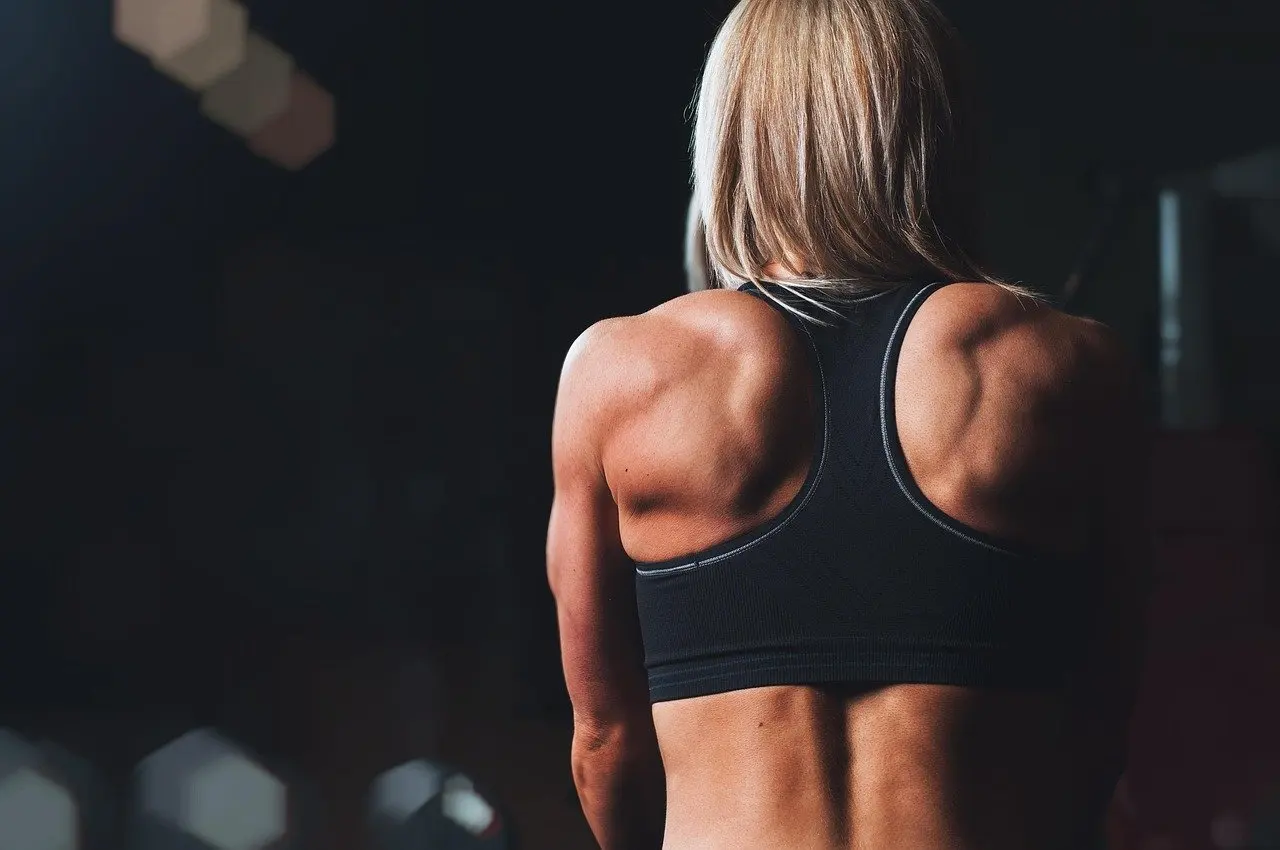
Plume describes grip socks as a must-have because they help maintain stability and prevent slipping on the reformer or mat. Treat that as the studio’s own view, not a universal rule. Policies differ between studios, so the booking confirmation or welcome email is the place to check before your first class.
When to buy a pair
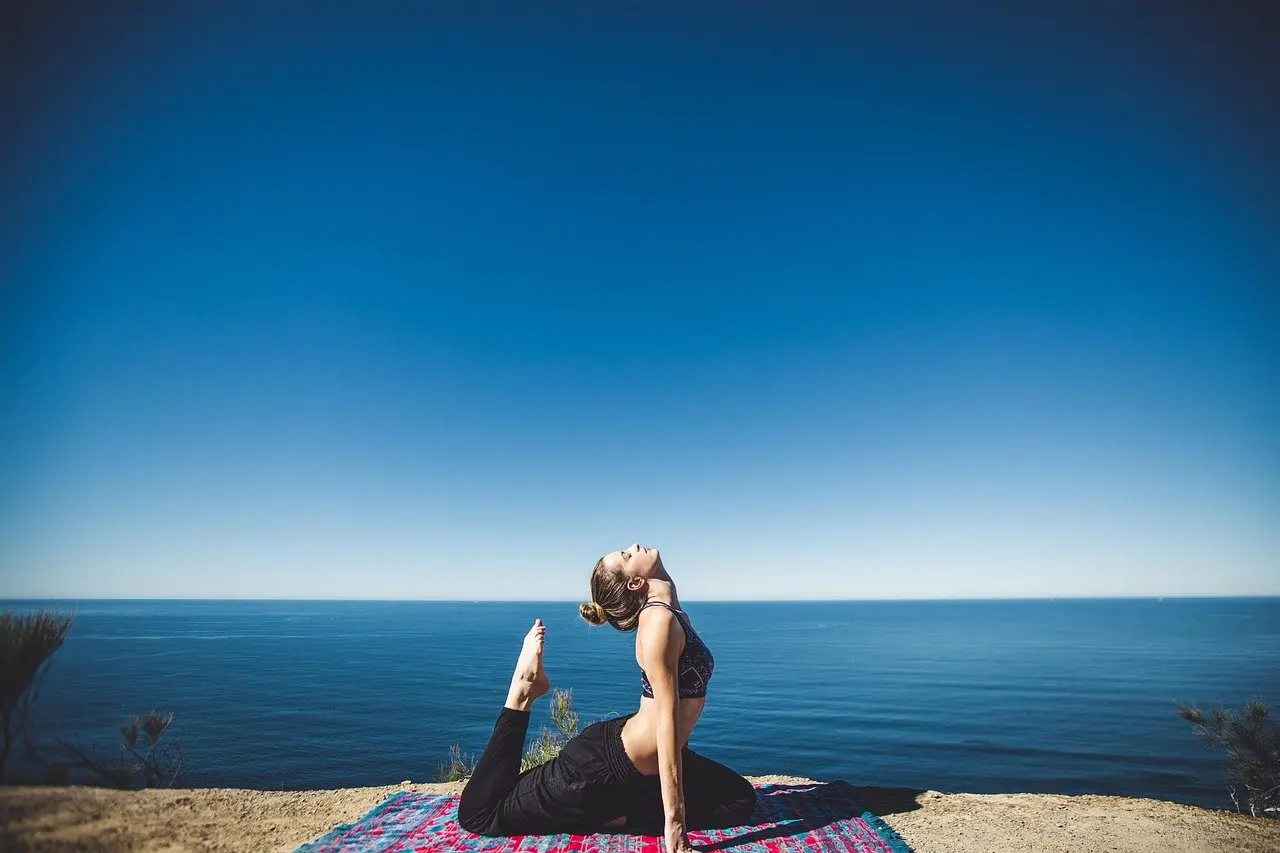
Buy grip socks if the studio asks for them or if you want a firm contact surface on the reformer or mat. If you are trying a single trial class, ask whether the studio sells or lends them rather than buying blind. Bare feet are the other option for floor work, and the image below shows how different the two feel on a mat.
Layers for the start of class
A light long sleeve or pullover can feel natural at the start while your body warms up, as the brand guide puts it. Pick one that is easy to remove, so it is not still on when you reach the more active parts of the session. A fitted long sleeve also keeps to the same logic as a fitted top, because it avoids loose fabric near the equipment.
Because fitted pieces get worn repeatedly in studio conditions, it helps to know how to wash activewear so stretch and fit last.
Fixing common outfit problems
Most first-class problems trace back to fit. Use this table to match what you notice to a change.
| What you notice | Likely cause | What to change |
|---|---|---|
| Top shifts or hangs away from the body | Loose or oversized clothing can shift during movement | Swap to a fitted top or sports bra |
| Fabric catches on the reformer | Clothing that is too loose can get caught on the equipment | Choose a close-fitting top and bottoms |
| Restricted feeling or reduced range | Pieces that are too tight can restrict circulation and flexibility | Choose a more forgiving, stretchy fabric |
| Feet slide on the reformer or mat | Not enough grip underfoot | Wear grip socks if the studio allows |
| Bottoms drift during movement | Not fitted and secure enough | Choose bottoms that stay put from start to finish |
These points come from The Plume Studio’s apparel guidance and the brand’s pilates style guide.
Frequently asked questions
| Question | Answer |
|---|---|
| Do pilates clothes need strong compression? | No. The brand guide says pilates does not typically require the same compression as higher-impact training, and suggests lighter compression for a slower flow. |
| What should I wear to a heated or hot pilates session? | Biker shorts or micro shorts are a good alternative in warmer or heated sessions, per the brand guide. Plume advises moisture-wicking fabrics to manage sweat in hot pilates or high-intensity sessions. |
| Which style of grip sock should I choose? | Plume says either crew or classic ankle styles work, as long as the pair keeps you grounded. |
| Is mat pilates different from reformer for clothing? | Plume suggests lightweight, stretchy fabrics for mat pilates, and warns that anything too loose can get caught on the reformer, so fitted pieces suit both. |