

What is moisture wicking fabric? It is a textile, usually synthetic, that pulls sweat off the skin and spreads it to the outer surface, where it evaporates faster. Fabric softener residue can undo it.
Fiber choice is only part of the picture, so the wider best fabric for activewear guide covers how wicking fits with fit, stretch and layering.
How wicking moves sweat
Moisture-wicking fabric draws perspiration away from the skin to the garment’s surface, where it evaporates more quickly and easily. The movement is driven by capillary action, which a activewear brand guide describes as the movement of a liquid through a narrow space. In order, the process runs like this:
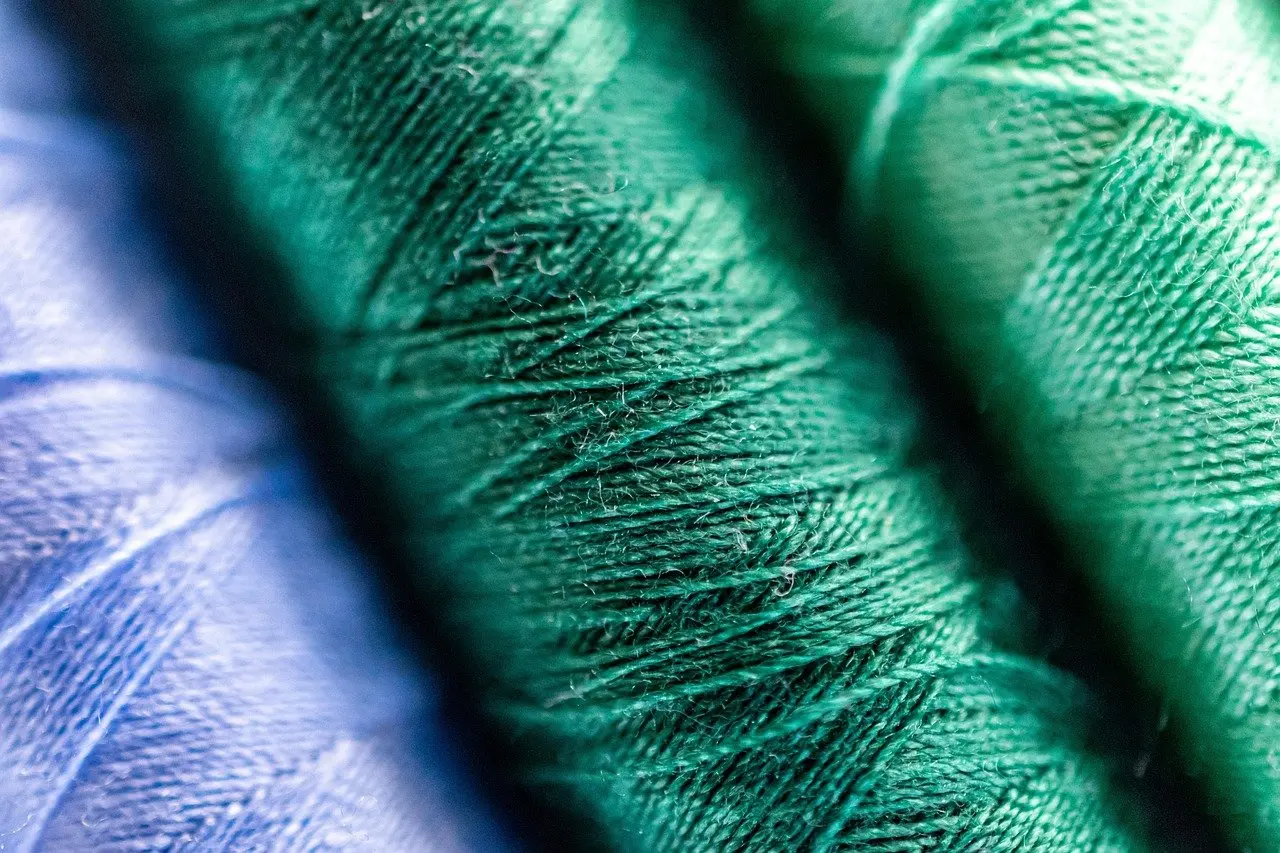
- Sweat meets the fabric. Adhesive forces attract water molecules to fabric molecules, so sweat is pulled onto the internal surfaces of the textile.
- Capillary pressure takes over. According to an athletic apparel explainer, capillary pressure is the fabric’s ability to move sweat through small, permeable spaces.
- Moisture travels along the fibers. An education resource on wicking fabrics notes that moisture moves along the surface of the fibers without being absorbed by them.
- Sweat reaches the outer layer. The same apparel explainer lists transfer of sweat to the outermost layer as the first duty of a wicking garment, followed by quick drying.
- Evaporation finishes the job. With sweat spread across a larger outer surface, it dries faster than it would sitting against the skin.
Many wicking fabrics combine two kinds of fiber. Ten Cate Fabrics explains that fabrics engineered with both hydrophilic and hydrophobic fibers absorb and spread moisture through the fabric to maximize drying. The same source warns what happens without the balance: hydrophilic materials alone absorb moisture and lock it in, producing a soggy fabric.

Fibers and labels that signal wicking
Wicking performance comes mostly from synthetic fibers. A brand guide advises shoppers to look for polyester, nylon or spandex and to avoid cotton or wool, which tend to absorb moisture and retain it. The table turns that into a quick decision aid.
| Fiber | How it handles sweat | Planning use |
|---|---|---|
| Polyester | Dries extremely quickly, but is less odor-resistant than other fabric alternatives | A sound base for sweaty sessions; plan to wash it promptly after use |
| Nylon and spandex | Named with polyester among the synthetic fabrics to look for | Common where stretch is needed; check the blend on the label |
| Cotton | Absorbs moisture and retains it | Better for rest days and casual wear than for hard workouts |
The fiber behavior above comes from an athletic apparel explainer and a brand buying guide.
Wool is the awkward case. The apparel explainer calls merino wool a natural fabric that is also considered moisture-wicking, with odor control, while the buying guide groups wool with cotton as a moisture holder. Treat the label and the garment’s construction as the tiebreaker rather than the fiber name alone.
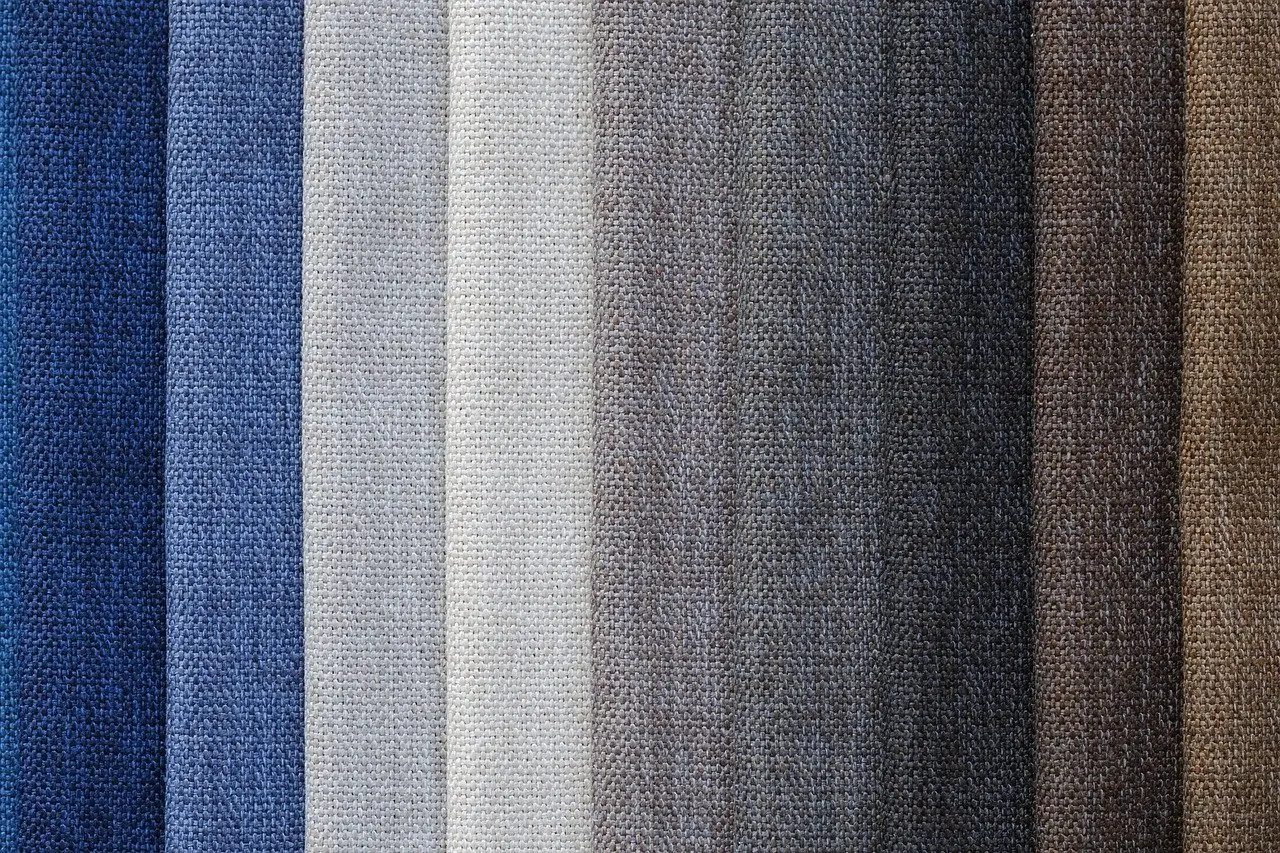
Marketing names help too. The same buying guide suggests checking labels for terms such as moisture wicking, quick dry, Dri-FIT or Coolmax. Wicking garments also tend to be built for movement: one brand explainer says wicking usually pairs with four-way stretch. If you are building an activewear capsule wardrobe, reading fiber content on each piece is a cheap way to sort true workout layers from lookalikes.
Wicking versus breathability
Wicking and breathability are related but not interchangeable. Wicking is about what happens to liquid sweat: it is pulled off the skin and spread to the surface. A wicking label alone does not guarantee that the garment will also feel cool, because the cooling comes from the drying that follows.
Ten Cate Fabrics notes that evaporative cooling happens while moisture is still in contact with the skin, which steals your body heat. The practical reading is that a fabric earns its comfort by getting sweat away from the skin and drying it quickly. Cotton shows the opposite case: it absorbs sweat and holds it, so the garment stays wet until it dries fully, according to a brand explainer on wicking.
When comparing two garments, ask both questions: does the fabric move sweat off the skin, and does it dry fast once the moisture is outside? A fabric that does only the first can still end up feeling damp.
Does it really work, and when does it stop?
It works when the fabric is designed to move liquid along its fibers and the finish has not been blocked. Three things commonly end that:
- Hydrophilic-only construction. Fabrics that only absorb lock moisture in and turn soggy, which is the cotton problem.
- Softener residue. A waxy residue on the fabric’s surface interferes with its moisture-wicking abilities, and a brand explainer adds that it coats the fibers and blocks the wicking channels.
- If a bargain top stops performing, the fabric rather than your body may be the cause.
A simple home test for your own garments
A home test can show how well a garment moves moisture. The education resource describes a method built on weight: the relative wicking ratio is the weight of moisture wicked away divided by the weight of moisture introduced into the sample. The fabric is weighed after drying in air for 10 minutes.
- Weigh a dry sample of the fabric on a kitchen scale.
- Add a measured amount of water and record how much went in.
- Let it air dry for 10 minutes, then weigh it again.
- Divide the moisture wicked away by the moisture introduced to get the ratio.
- Repeat on a cotton tee as a reference, so you have a comparison rather than a lone number.
The ratio is a comparison tool, not a rating. A higher result on a garment than on cotton suggests it moves moisture better. Retest the same garment after many washes to see whether the performance holds.
Odor, washing and care
Synthetic fabrics are less odor-resistant than other fabric alternatives, according to the athletic apparel explainer. Washing soon after workouts and using the right routine matters more with wicking pieces than with natural fibers.
- Water and cycle. The brand buying guide recommends cold water on a gentle cycle.
- Detergent. Choose a mild detergent that is free of bleach, fabric softener and optical brighteners.
- No softener, ever. It is the one common laundry product that works directly against wicking, as both Ten Cate Fabrics and the brand explainer note.
- Drying. Dry on a low heat setting or hang the garment to air dry.
Wicking also says nothing about whether a fabric is opaque. For leggings, read how to tell if leggings are squat proof alongside the fiber and care labels.
Frequently asked questions
Can moisture-wicking clothes go in the washing machine?
Yes. Ten Cate Fabrics states that moisture-wicking fabrics can be washed in a washing machine.
Is merino wool moisture-wicking?
An athletic apparel explainer describes merino wool as a natural fabric that is also considered moisture-wicking, with odor control. Other guidance groups wool with cotton as a moisture holder, so check the specific garment.
Is moisture-wicking fabric stretchy?
Usually. A brand explainer says moisture-wicking typically pairs with four-way stretch, meaning fabric that moves in all directions.
Which synthetic fibers show up in wicking fabric tests?
The education resource on wicking fabrics lists polyester (conventional and microfiber), nylon and polypropylene among the synthetic materials tested.