
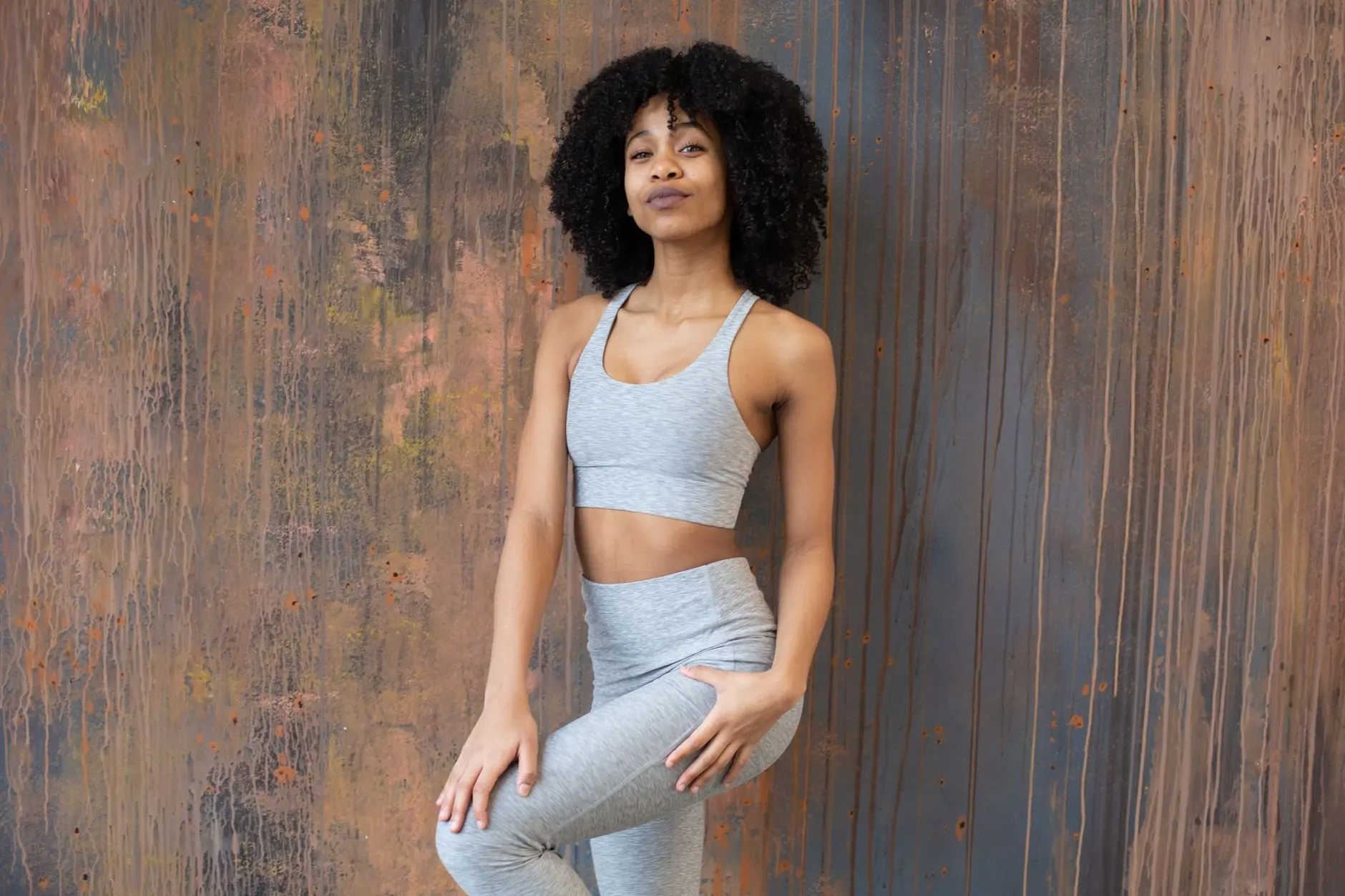
The best fabric for activewear depends on how hard you will work. For high-intensity sessions, choose moisture-wicking, breathable spandex or polyester blends. For gentler yoga or pilates, a cotton blend can be enough.
Settle that intensity question first, then match each piece to it. This guide covers leggings, sports bras, tops, shorts and layers, followed by care steps that help each piece last.
Decide by intensity before you decide by garment
Activity level is the first decision, and it narrows the fabric choice faster than brand, colour or price. A Lemon8 guide to performance fabrics splits the choice the same way. High-intensity exercise calls for fabrics that offer moisture-wicking and breathability, such as spandex or polyester blends. Lighter activities like yoga or pilates leave room for a cotton blend that prioritises comfort.
- Hard, sweaty sessions: running, interval classes and heavy gym work. Pick moisture-wicking, breathable spandex or polyester blends for every layer that touches your skin.
- Steady, lower-sweat sessions: a flowing yoga class or a pilates mat session. A cotton blend can suit you, though a synthetic blend remains a safe choice if you tend to run warm.
- Heated rooms: hot yoga is its own case, because sweat-wicking and quick-drying matter more than softness. The hot yoga section below covers it.
- Mixed weeks: if you run, lift and stretch in the same week, buy for the sweatiest activity. Those pieces cope with the gentle sessions too, but the reverse rarely holds.
Intensity also tells you where to spend money. Pieces that sit against the skin during your hardest sessions deserve the best fabric. Outer layers worn for a short warm-up matter less.
Reading fabrics: what each fibre contributes
No single fibre does everything, which is why activewear labels so often list blends. Each fibre brings one strength, and the blend decides the garment’s feel. The same Lemon8 guide describes the main players.
Spandex for stretch
Spandex, also sold as Lycra, is popular for workout clothes because of its exceptional elasticity. It is the fibre to look for when a garment must move with you through lunges, folds and reaches. Check for it on the label of any fitted piece, because stretch is what lets leggings and bras hold their shape without restricting movement.
Polyester for durability and easy upkeep
Polyester is lightweight, durable, and resistant to shrinking and stretching, according to the same performance-fabrics guide. That profile suits garments you will wash often. It also suits pieces that need to keep their size, such as shorts and loose tops, where you want the fit to stay the same wash after wash.
Nylon for strength and resilience
Nylon is known for strength and resilience, and it is often blended with spandex. That nylon and spandex pairing is common in leggings and fitted tops. The nylon contributes toughness and the spandex contributes give. If a label lists both, the garment is built for repeated stretching under load.
Nylon vs polyester activewear
The nylon vs polyester question does not have a single winner. Polyester stands out for being lightweight and resisting shrinking and stretching. Nylon stands out for strength and resilience and its habit of pairing with spandex. For leggings that must stretch and recover, a nylon and spandex blend is a logical pick. For shorts and relaxed tops that must hold their size, polyester makes sense. Whichever you prefer, the label should still show a spandex component in anything meant to hug the body.
Cotton: comfortable, but a poor match for sweat
Cotton is not typically recommended for high-intensity workouts because it tends to retain moisture. That makes it a weak choice for a running top or a gym bra. It remains reasonable for relaxed sessions where you barely perspire. If you love the feel of cotton, keep it for stretching, gentle yoga and the walk to the studio, and reach for synthetics when the effort rises.
Moisture-wicking and breathability as buying criteria
Moisture-wicking describes what a fabric does, not which fibre it is made from. Fabrics that draw moisture away from the skin help keep you dry and comfortable during workouts, per the Lemon8 fabrics guide. Breathability is the companion property, and the guide pairs the two for high-intensity exercise.
For a deeper look at how these fabrics behave, read what is moisture wicking fabric. In a shop, the practical approach is simple.
- Read the content label. Look for spandex or polyester blends on anything you will sweat in, and treat a high cotton share as a sign of a casual piece.
- Look for the wicking claim. Brands that build around the property say so openly. Athleta, for example, describes its activewear collections as featuring moisture-wicking fabrics.
- Judge the weight in hand. A lightweight feel fits the polyester profile and tends to suit warm sessions.
Breathable fabrics for exercise matter most where heat builds up: the torso, the back and the waistband area. If a piece feels heavy or damp after a short test movement in the changing room, it is unlikely to improve in a full workout.
Leggings: matching the pair to the session
Leggings carry the most variety, because the same garment shape serves yoga, running and lifting. The fabric logic above applies directly. For sweaty or intense work, prioritise a wicking, breathable synthetic blend. For gentle, low-sweat classes, you have more freedom to choose on comfort.
What to look for in yoga leggings
Yoga leggings face a particular set of tests. They must stretch through deep folds and stay put when you invert. A review of hot yoga leggings from The Yoga Nomads sets a clear standard. The best pairs offer sweat-wicking, quick-drying fabrics and a snug, high-waisted fit. The same reviewer praises pairs that never show sweat stains, roll down or become see-through in a downward dog. Those three behaviours are a handy checklist for any pair, whatever the studio temperature.
Our rundown of the best leggings for yoga applies these criteria pair by pair. In the changing room, bend, squat and fold forward while facing a mirror to check coverage and waistband stability.
Running leggings
Running puts the most sustained sweat load on a pair of leggings, so the high-intensity guidance applies in full. Look for a wicking, breathable spandex or polyester blend and avoid cotton-heavy fabric. The recommendations in best leggings for running build on those fabric rules.
Gym and lifting leggings
Lifting asks for stretch plus coverage, because squats and deadlifts test fabric opacity and waistband hold. If you are choosing for the weights floor, see best leggings for lifting weights and learn how to tell if leggings are squat proof before you buy. If a waistband keeps sliding, how to stop leggings from rolling down covers the fixes.
Fit across sizes and lifespan
Stretch fabric forgives some sizing differences, but a garment that is too tight can lose opacity and one that is too loose will not hold in place. Shoppers looking for extended ranges can read best plus size activewear. Once you own a favourite pair, how long do leggings last explains the signs that a pair is nearing retirement.
Sports bras and fitted tops
A sports bra is the one piece where fit takes priority over fabric trends. Fabric still matters, because the bra sits against your skin for the entire session and collects sweat. A moisture-wicking build keeps that contact comfortable, and brands such as Athleta highlight moisture-wicking fabrics in their activewear ranges.
For choosing the support level and getting a proper fit, read how to choose a sports bra. Three general buying habits help whatever the product.
- Try it moving. Raise your arms, twist and mimic your activity before you decide. Standing still in a changing room hides most problems.
- Match the bra to the hardest activity you do. A bra bought for a gentle class may not suit a run, so keep separate options if your routine varies.
- Prefer wicking over cotton for sweat. Cotton retains moisture, so save it for low-sweat days.
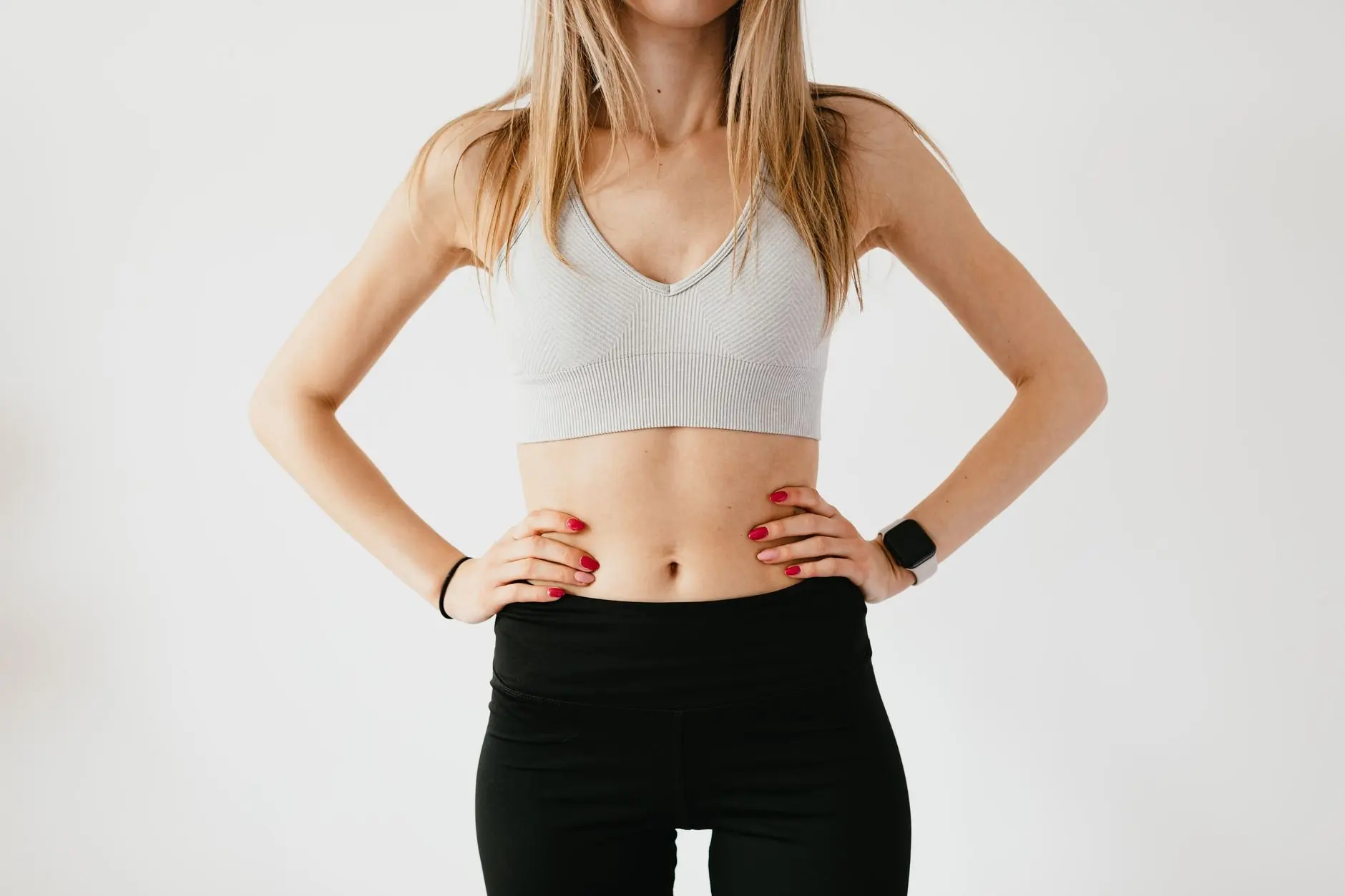
Tops worn over a bra
Fitted tops follow the same fabric rules as leggings. For hard sessions, a wicking synthetic keeps sweat moving away from the skin. For relaxed classes, a cotton blend can feel better. A snug cut works well in yoga because it stays in place during inversions, while a looser cut suits running when airflow is the priority. Judge the cut by your activity rather than by trend.
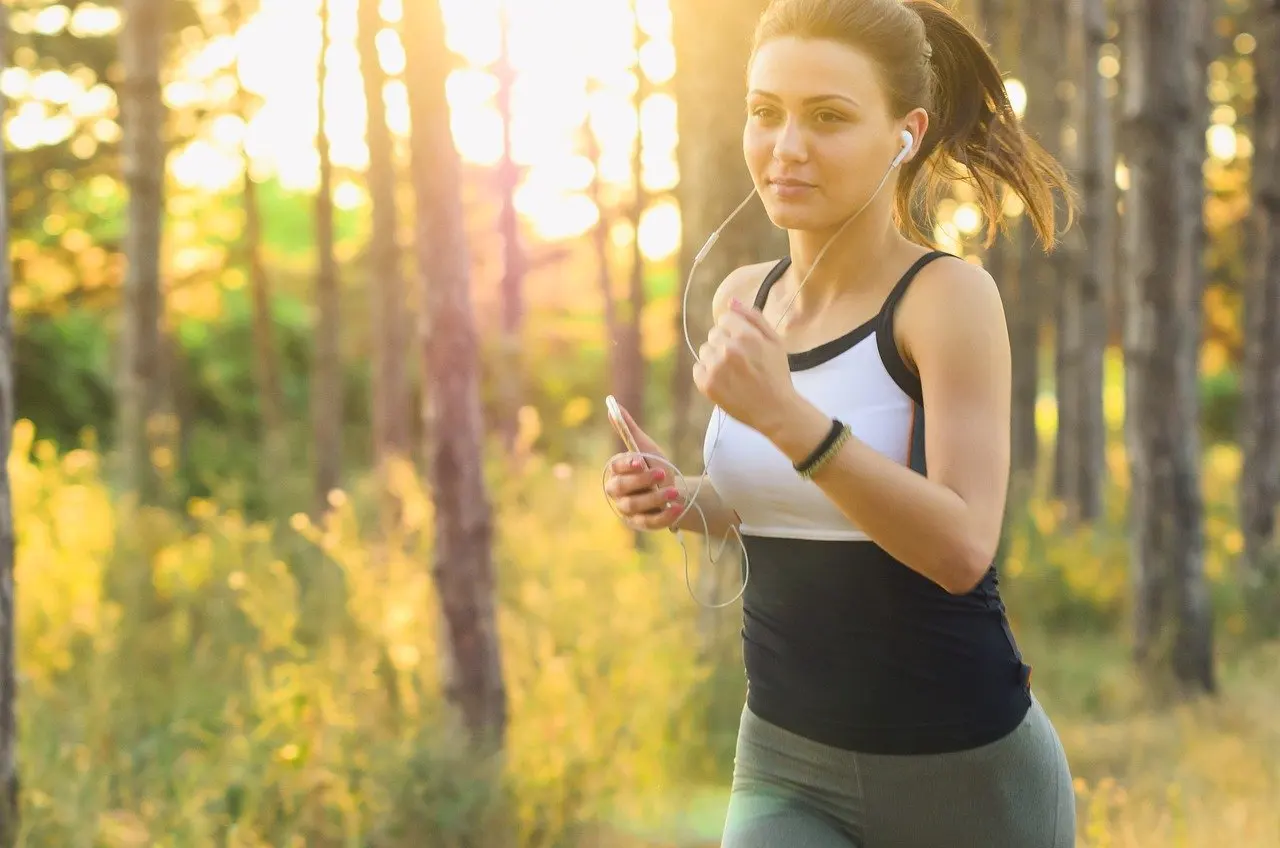
Shorts and jackets: the outer pieces
Shorts and jackets matter less to fabric theory but more to practical comfort, because they are the pieces you take on and off.
Shorts
Polyester’s light weight and resistance to shrinking and stretching make it a sensible base for shorts, particularly for outdoor running, where you wash them often. Pick a wicking, breathable blend for sessions where you sweat heavily. A cotton-rich pair belongs with easy days.
Lightweight jackets
A jacket sits over your sweat-producing layers, so it need not be your most technical piece. Choose it for how easily it packs and moves, then check that the fabric on the label is a synthetic blend if you plan to keep it on while working hard. If you intend to warm up in a jacket and remove it, comfort and quick drying matter more than anything else.
What to wear for each class or setting
Once you know your fabrics, each setting becomes a quick decision. The pages below apply these rules to specific rooms and routines.
Yoga and pilates
Studio classes reward stretch, coverage and a stable waistband. A cotton blend is acceptable where the effort stays light, as the Lemon8 guide notes for yoga and pilates. See what to wear to yoga class for the full outfit and what to wear to pilates class for mat and equipment sessions.
Hot yoga
Heated rooms change the rules. The Yoga Nomads describes the setting as a room that is over 100°F and 90% humidity, and recommends sweat-wicking, quick-drying fabrics with a snug, high-waisted fit. That combination keeps the leggings from clinging and sliding. Our guide to what to wear to hot yoga turns those conditions into a full outfit.
The gym
A general gym session mixes cardio, weights and stretching, so the safest default is a wicking synthetic blend that can handle the sweatiest part of the workout. What to wear to the gym covers outfit combinations in more detail.
Washing and caring for activewear
Care decides how long performance fabrics keep doing their job. The core steps are simple and come from the Lemon8 performance-fabrics guide.
- Wash in cold water. Cold water preserves the elasticity and colour of performance fabrics, which protects the spandex that gives leggings and bras their stretch.
- Skip fabric softener. Softeners can break down the moisture-wicking properties of performance fabrics, defeating the reason you bought them.
- Air dry. Whenever possible, air dry activewear instead of using a dryer to prevent shrinking and damage.
Check the care label on each garment first, since it is the manufacturer’s instruction for that specific item and takes precedence over general advice. The full routine is in how to wash activewear.
Quick overview: fabric to activity
Use this table as a final check once you know the activity and the piece you are buying.
| Activity or setting | Fabric direction | Planning use |
|---|---|---|
| High-intensity exercise | Moisture-wicking, breathable spandex or polyester blends | Choose these for running, intense classes and heavy gym sessions |
| Yoga or pilates | A cotton blend may provide the comfort you need | Fine for lighter classes, but switch to synthetics if you sweat heavily |
| Hot yoga (over 100°F and 90% humidity) | Sweat-wicking, quick-drying fabric with a snug, high-waisted fit | Check opacity and waistband hold before committing |
| Any stretch-dependent piece | Spandex, often blended with nylon | Look for it on the label of leggings and bras |
| Garments that must keep their size | Polyester, resistant to shrinking and stretching | Good for shorts and loose tops you wash often |
| High-sweat sessions | Avoid cotton, which tends to retain moisture | Keep cotton for easy days |
Figures and conditions come from the Lemon8 performance-fabrics guide and The Yoga Nomads hot yoga review.
Building a small, flexible kit
A compact set of pieces beats a drawer full of single-use items. Start with the sweatiest activity you do, buy one wicking top, one supportive bra and one pair of leggings or shorts in a spandex or polyester blend, and add comfort-led cotton blend pieces for gentler sessions afterwards. Replace items as the stretch and wicking fade rather than waiting for them to fail. The checklist in activewear capsule wardrobe turns this approach into a shopping list.
Frequently asked questions
What should I look for when buying yoga leggings?
Look for opaque fabric, a waistband that stays up through folds and inversions, and a snug high-waisted fit. For heated classes, add sweat-wicking and quick-drying fabric to that list.
Can I use fabric softener on moisture-wicking leggings?
It is best avoided. Fabric softeners can break down the moisture-wicking properties of performance fabrics, so skipping them protects what you paid for.
Where should I store workout clothes?
A cool, dry place helps avoid mildew and damage. Make sure pieces are fully dry before folding them away.
Is moisture-wicking a type of fibre?
No, it describes how a fabric behaves. Fabrics that draw moisture away from the skin help keep you dry, and for high-intensity exercise they are commonly found in breathable spandex or polyester blends.