
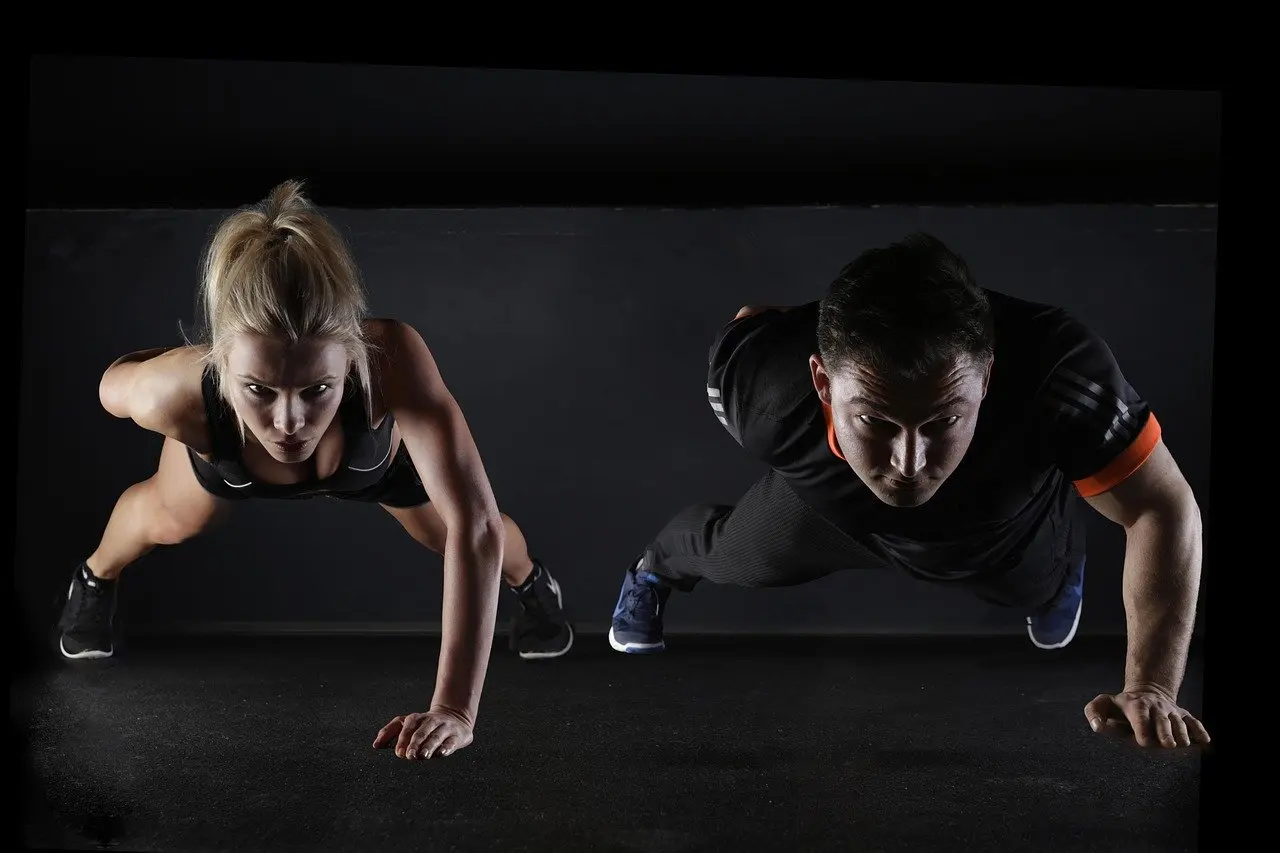
What to wear to the gym comes down to a supportive sports bra, stretchy leggings or shorts, a sweat-wicking top and closed-toe training shoes. Adjust the bottoms and top to the session, and skip anything loose enough to catch on equipment.
The pieces below are judged on support, sweat handling, freedom to move and safety around equipment. They run from the base layer outward, which is a build order rather than a ranking. Fabric comparisons in more depth sit in the hub’s guide to the best fabric for activewear.
How to choose a gym outfit
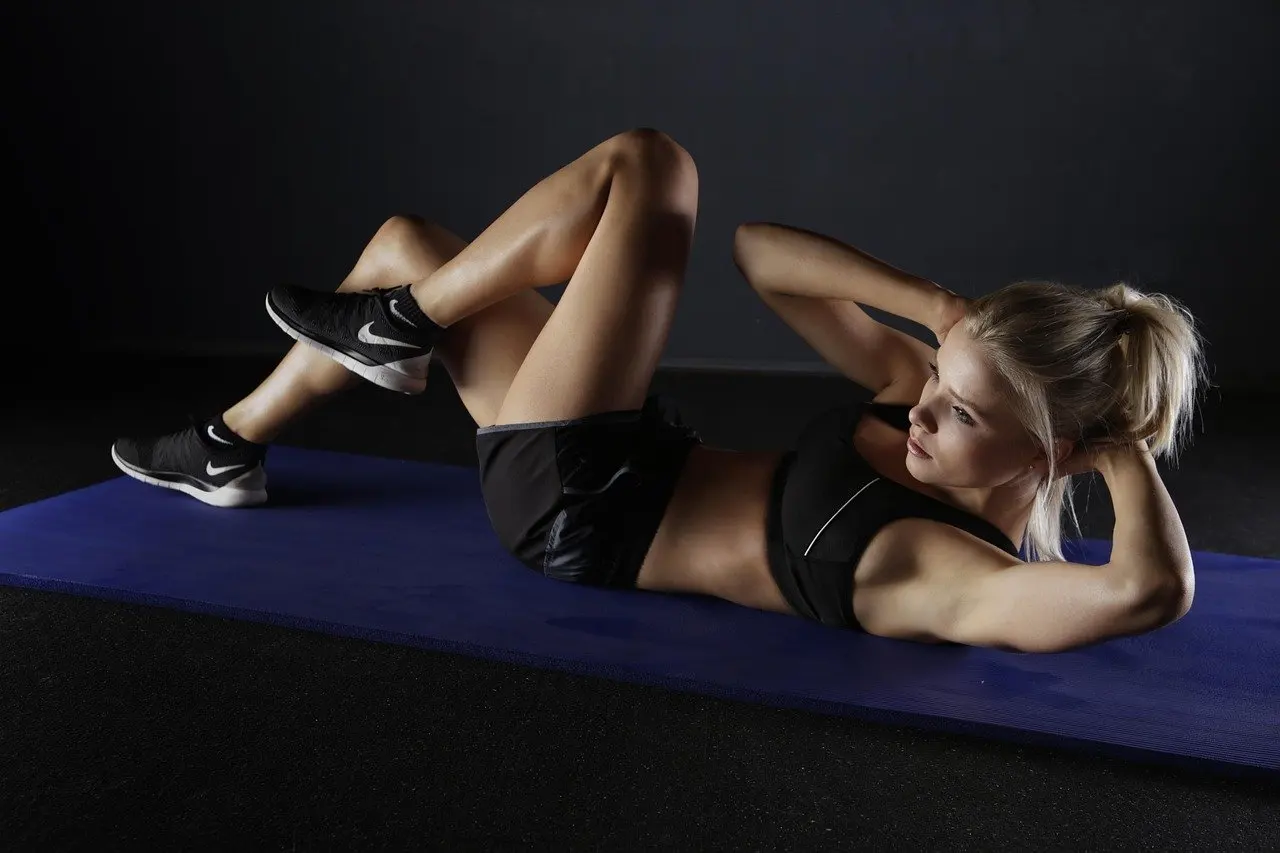
A good gym outfit lets you move through a full range of motion, stays comfortable as you sweat and never becomes a hazard on machines. Four criteria decide most choices.
- Support. The sports bra and the shoes carry the most load, so they deserve the most care.
- Sweat handling. Fabric that moves moisture away from the skin matters more as sessions get harder.
- Freedom to move. Stretch in the bottoms and top matters more than the exact cut.
- Safety. Anything that dangles or hangs loose can catch on equipment.
The best fit for most first-timers is a mix-and-match set: a sports bra, stretchy leggings, a breathable top and supportive shoes. The session formulas further down show where to swap pieces.
Clothing pieces, from the base layer up
Sports bra
A sports bra is the one piece with no good substitute. The Gym Group calls a good sports bra essential for comfort and to prevent injury. It suits every session on this page, from slow classes to weights, and it is worth buying before anything else. The main limit is fit: a bra that is only fashionable and not supportive defeats the purpose.
Leggings, joggers and running shorts
Leggings are the most versatile bottom. The Gym Group suggests leggings or joggers in a stretchy material such as spandex or Lycra for strength training. For cardio, an activewear brand’s guide says shorts and gym leggings both work, so running-style shorts are a fair choice for treadmill or bike sessions when you run warm.
Leggings suit a mixed session best because the same pair appears in both the cardio and the strength advice. Shorts suit people who overheat quickly. The same brand’s guide warns against very short booty shorts for floor work, since they can become too revealing once you are lying down or bending.
Tops and sweat-friendly fabric
Moisture-wicking fabric is the safest default for any top. The Gym Group advises fabrics that wick away sweat to keep you cool and dry, and names polyester or nylon blends as lightweight, breathable options for cardio. A retailer’s guide gives the same direction for cardio and HIIT.
Cotton is the common exception to check. An activewear brand’s guide notes that cotton absorbs sweat and is not really designed for exercise, so a cotton tee stays damp in a hard session. The Gym Group does rate cotton or cotton blends as often a good choice for yoga or Pilates, where you sweat less. Pick the fabric to match how hard you expect to work.
Footwear and socks
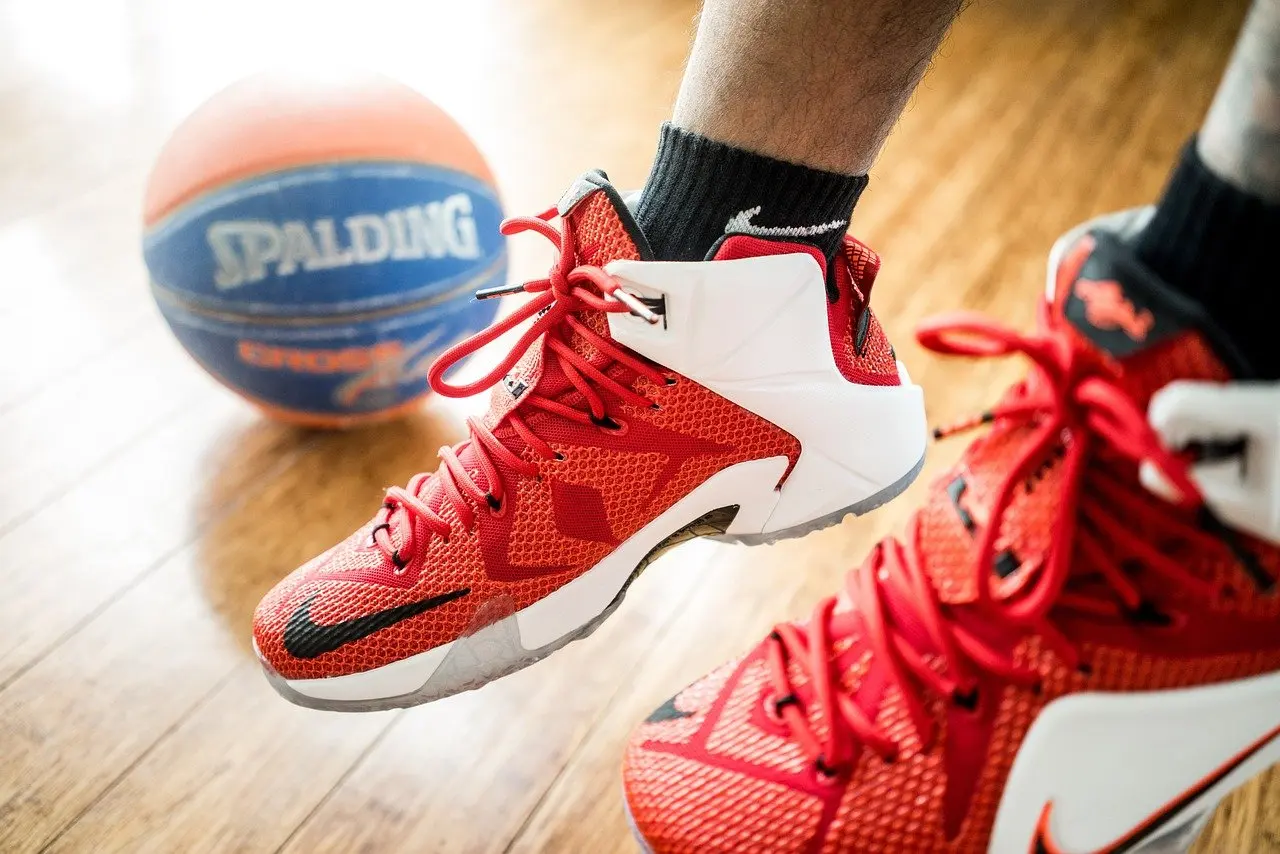
Training shoes
Training shoes should be supportive and matched to your activity. The Gym Group advises supportive athletic shoes appropriate for your chosen activities, and a retailer’s guide adds that they should be closed-toe with proper support. An activewear brand lists cushioning, stability and motion control as the features to look for in running shoes used across varied gym work.
Pick the shoe for the main thing you will do. A beginner who splits time between the treadmill and weights is better served by one cushioned, stable trainer than by fashion sneakers with little support. Sandals and open shoes are not suitable.
Gym socks
Gym socks are a small purchase that changes how shoes feel. A retailer’s guide recommends breathable, moisture-wicking socks to keep feet comfortable and dry. Buy a few pairs in that style rather than wearing everyday cotton socks, and keep them in the gym bag so they are never forgotten.
Layers and extras
Layers let you cope with a cool gym entrance and a hot workout. A retailer’s guide describes dressing in layers so you can peel them off as your body temperature rises. A cropped jacket is one way to do this: wear it for the warm-up, take it off once you are hot, and choose one that sits close to the body rather than hanging loose.
For summer sessions, the activewear brand’s guide suggests shorts or tank tops may be the better option. A spare top in the bag covers the case where the first one is soaked by the end.

Mix-and-match formulas by session
Start from the same base, a sports bra and supportive shoes, then change the bottoms and top. The table compares the common session types.
| Session | Bottoms | Top and fabric | Planning use |
|---|---|---|---|
| Cardio | Shorts or gym leggings | Lightweight, breathable polyester or nylon blends that wick sweat | Choose shorts if you run warm and leggings if you want coverage. |
| Strength training | Leggings or joggers in stretchy spandex or Lycra | Nothing too tight or restrictive, and nothing super loose | Check you can squat and reach comfortably before you start. |
| Yoga or Pilates class | Avoid very short booty shorts for floor work | Cotton or cotton-blend fabrics are often a good choice | Cotton is acceptable here because the session is gentler. |
| Mixed session | Stretchy leggings, which suit both cardio and weights | Moisture-wicking top | Carry a light layer to remove as you warm up. |
Figures and fabric guidance in the table come from The Gym Group’s first-visit clothing guide and an activewear brand’s gym attire guide.
For a first visit when you are unsure which session you will do, use the mixed row. It keeps every option open and avoids buying separate kit for each activity. Classes have their own details, covered in the guides on what to wear to yoga class and what to wear to pilates class.
Dress code basics and what to avoid
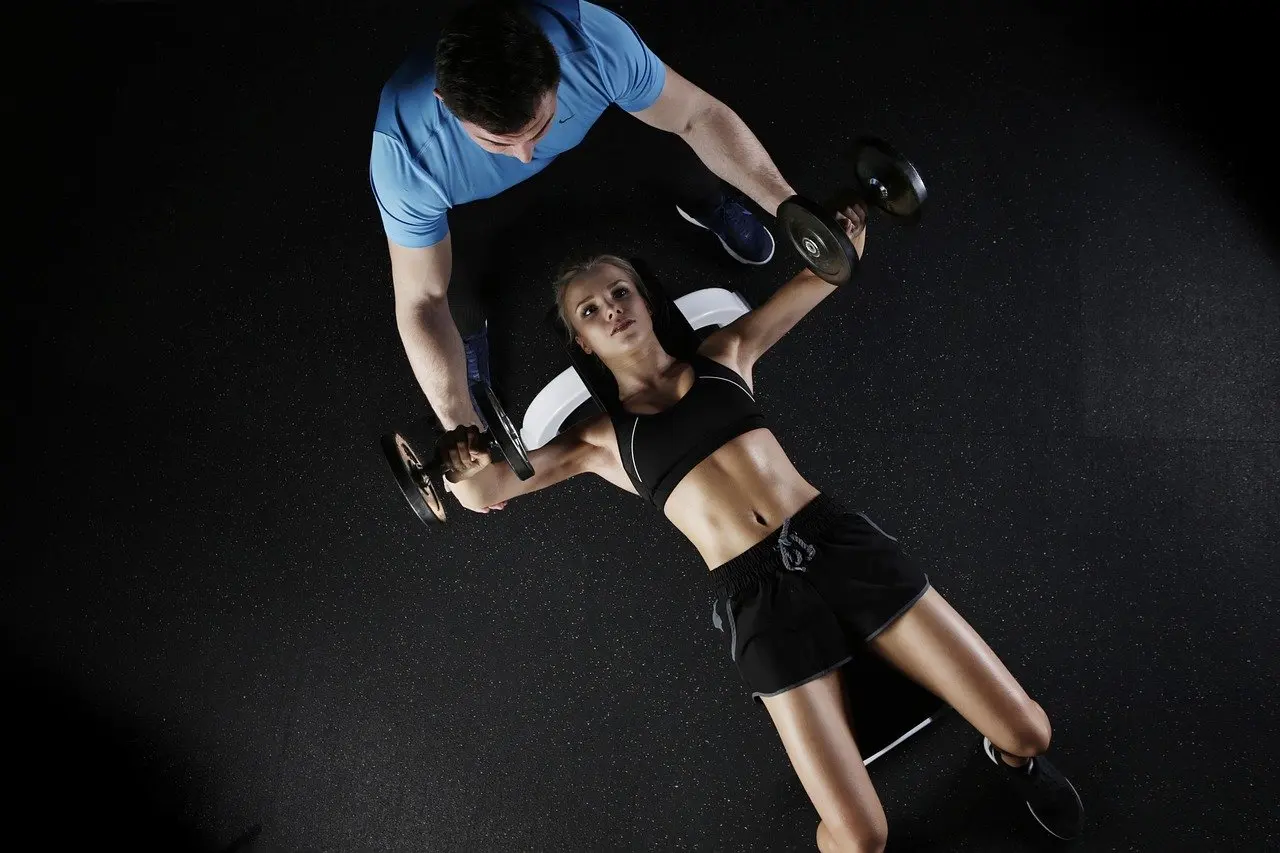
Most gym dress guidance comes down to fit and safety. The Gym Group’s advice is nothing too tight or restrictive, but also nothing super loose that might get caught in equipment. A retailer’s guide makes the same point about baggy shirts catching in machinery, which rules out oversized tees and loose hanging layers on machines and cable stations.
- Baggy tops. They can catch in equipment, so swap them for a fitted tank or tee.
- Open or unsupportive shoes. Closed-toe athletic shoes with proper support are the standard recommendation.
- Very short shorts for floor work. They can become too revealing when you lie down or stretch.
- Heavy sweat in absorbent cotton. It holds moisture, so wear a wicking top for cardio.
Rules vary by gym, so check the signage or website before the first visit. The author of one fitness blog on gym dress codes accepts that some restrictions, footwear rules for example, can be legitimate.
Frequently asked questions
How should a sports bra fit?
An activewear brand says it should fit snugly without digging into your shoulders. Snug support with comfortable straps is the aim.
What should gym socks be like?
The same brand advises socks that are supportive, snug and will not slip inside your shoes.
Can I wear jewellery to the gym?
Keep it minimal. A retailer warns that long necklaces, bracelets or dangly earrings could cause injuries or get caught in equipment.
Can a gym ban sports bras or crop tops?
One blogger reported a gym dress code with no sports bras or crop tops. Policies differ between gyms, so check yours before relying on a particular top.